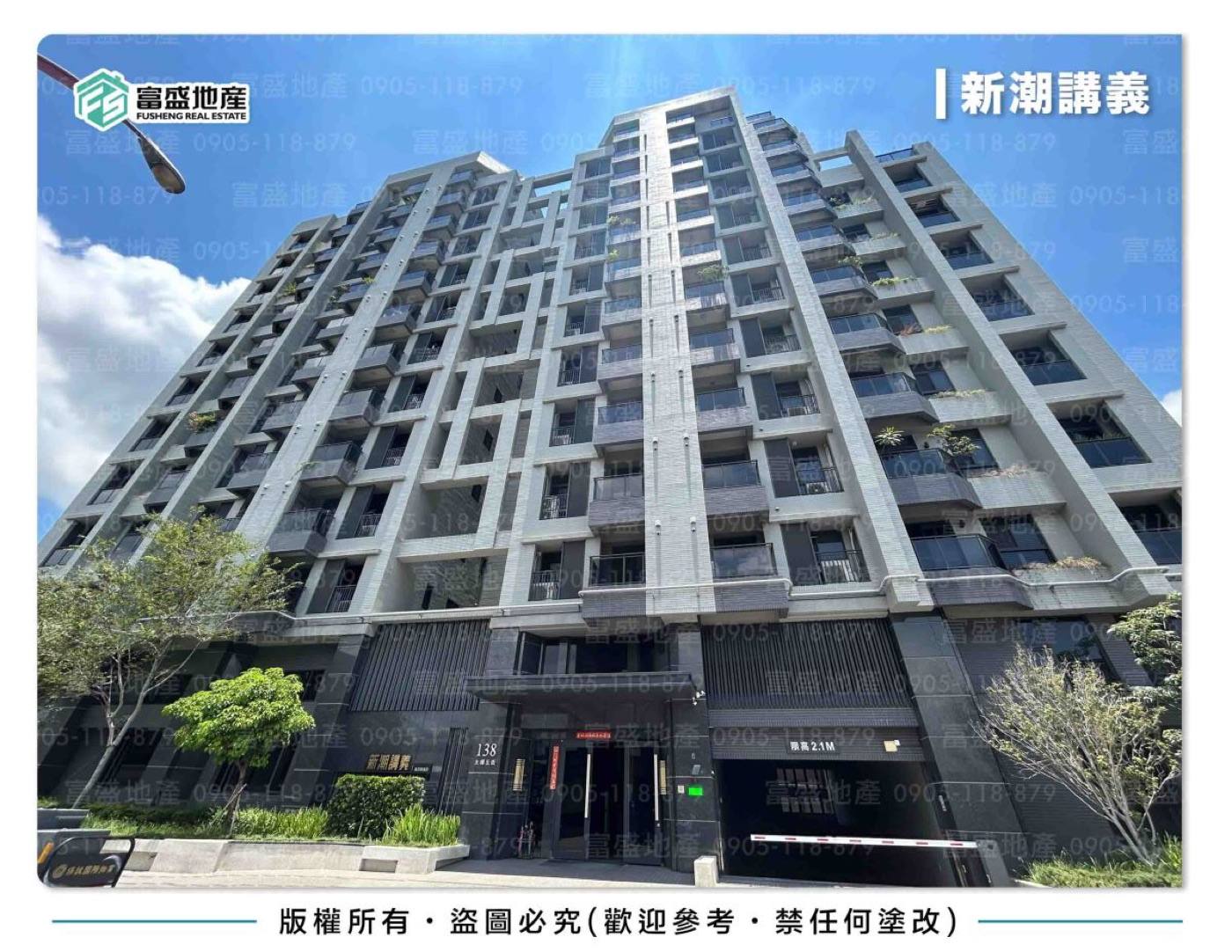
The danger at a viewing is not what you cannot understand but what you understand and fail to notice: damp and leaks, an illegal rooftop addition, a parking space with unclear title, or in older buildings, sea-sand concrete or radioactive steel. Most of these can be spotted with a few more looks and a few more questions on site. Found after signing, they cost time and money. The reminder we give clients most often is that a viewing is not about how good the decoration looks but whether the structure and the title are sound. This guide covers the 10-point checklist, how to read damp and cracks, how to check for sea-sand and radiation buildings, and what to focus on by building age.
The three problem groups
- Structural safety: damp, leaks and cracks affect liveability and safety.
- Title: parking spaces and rooftop additions affect your rights and legality.
- Special risks: sea-sand and radiation buildings; check the completion year on older homes.
(Based on public information from the Nuclear Safety Commission and the Taipei City building authority; data as of July 2026.)
The 10-point viewing checklist
A viewing usually lasts 20 to 30 minutes, too short to think of everything. Print this list or keep it on your phone.
- Ceilings, wall corners and window frames: any water stains or bubbling, peeling paint?
- Walls, beams and columns: any obvious cracks, especially diagonal 45-degree cracks?
- Bathroom and kitchen tiles: hollow sound when tapped? Pour water on the floor to test drainage and pooling.
- Rooftop and balconies: any additions, and are they registered as tolerated existing illegal structures?
- Parking: ramp mechanical, lift flat or independently titled? Is it clearly registered on the transcript (謄本, the land registry extract)?
- Completion year: does it fall in ROC years 71 to 73 (1982 to 1984), the high-risk period for radiation buildings?
- Common facilities: maintenance condition, lift servicing records, fire equipment in working order.
- Management committee: functioning normally? Reserve fund balance? Long-running fee arrears or disputes?
- Surroundings: any nuisance facilities (substations, petrol stations, temples, high-voltage towers, funeral homes)? See nuisance facilities.
- Visit once in dry weather and once in rain: noise and leaks show most clearly when it is wet.
Our view: Where you can, view once in sunshine and again after rain. Leaks and damp often show only after rain, and a dry-weather viewing alone easily misses that signal.
Damp, leaks and cracks: how to judge on site
Damp (壁癌, literally “wall cancer”) shows as white powdery deposits on the wall with bubbling or peeling paint and a soft, moist surface. It comes from concrete or brick that has been wet for a long time, with moisture carrying salts out of the wall. Check ceiling corners, bathroom outer walls, window frames and stairwell walls, the places most likely to trap water.
For leaks, view before and after rain. New water stains on the ceiling, seepage marks at wall corners or wooden floors lifting within 24 hours of rain mean an active leak. Repair costs range from a few thousand to several hundred thousand NT dollars depending on the source and extent. See leaks.
Cracks divide into surface and structural. Fine cracks in the plaster are usually shrinkage and matter little. Diagonal 45-degree cracks, cracks running through beams or columns, or cracks that keep growing call for a structural engineer’s assessment. See shear cracks.
Older buildings: sea-sand and radiation
Radiation buildings (輻射屋) date mainly from buildings completed in ROC years 71 to 73 (1982 to 1984), when radioactive cobalt-60 was accidentally melted into reinforcing steel at a steel mill. The Nuclear Safety Commission has surveyed buildings from that period; you can search by address in its radiation building lookup system (ramdar.nusc.gov.tw) or call its free line 0800-076-678. If the building falls in that window, check the database or ask the seller for a radiation test certificate.
Sea-sand buildings (海砂屋) have no national lookup system and no public database. You must commission a qualified testing body to run a chloride content test (a few thousand NT dollars). They are found among older buildings, especially early coastal construction where salt-bearing sea sand may have been used as aggregate. Exposed rusting rebar or spalling concrete are warning signs worth testing.
Our view: For resale homes over 30 years old, if you have any doubt about radiation or sea sand, ask the seller for a test report before you make an offer, or add a clause to the sale contract allowing cancellation without penalty if the test fails. That shifts the risk to after confirmation.
Common areas, parking and the management committee
Parking comes in three types: ramp mechanical (slower to use, with separate maintenance charges), lift flat (faster access but higher maintenance costs), and independently titled (its own title deed, can be sold separately). Cross-check the disclosure statement (不動產說明書) and the transcript to confirm whether the space has independent title or only a registered right of use, which affects how easily you can resell.
Ask about the management committee: reserve fund balance, any long-term fee arrears, and whether lift and fire equipment servicing records are complete. Poorly run committees mean a higher chance of failed facilities and no money to fix them. Ask the agent or the management office for recent meeting minutes. See community size and common-area ratio.
What to focus on by building age
| Age | Focus |
|---|---|
| Under 10 years | Renovation and workmanship, condition of common facilities, parking access |
| 10 to 20 years | Ageing pipes, whether waterproofing needs redoing, lift and fire equipment upgrades |
| 20 to 30 years | Structural cracks, whether rooftop additions are registered, whether the reserve fund can cover repairs |
| Over 30 years (including 1982 to 1984 buildings) | Sea-sand and radiation tests, seismic assessment, clean title (no unregistered inheritance) |
Our view: The older the building, the more there is to verify, but that does not make old homes unbuyable. Many are well located and relatively affordable. The point is to check everything that needs checking and decide on information rather than on a good feeling.
The disclosure statement discloses some title and condition information, but experience problems such as leaks, damp and noise are not always in it; they surface through repeated visits. Cross-check this list against the disclosure statement and sign only when the two agree. If they differ, have the agent add a written note on the spot. See the documents you sign.
FAQ
There is damp on the walls. Can I still buy?
Yes, but first confirm whether the leak source has been fixed. Old marks with the source repaired only need the wall redone. If it is still leaking, negotiate the price or require the seller to fix the leak and waterproofing before handover, with the handover standard written into the contract.
How do I check for a radiation building?
Search the address in the Nuclear Safety Commission’s lookup system for buildings measuring 1 millisievert or more (ramdar.nusc.gov.tw) or call 0800-076-678. The risk is concentrated in buildings completed in ROC years 71 to 73; other years carry very low risk.
How do I judge a sea-sand building?
There is no national lookup. Visible signs include spalling concrete and exposed rusting rebar, but a definite answer needs a chloride test by a qualified body. For older homes that worry you, ask for a test before offering or signing.
Can I buy a home with a rooftop addition? Is it legal?
It depends on whether it is an existing illegal structure from before ROC year 83 (1994). Those are mostly registered as tolerated and can be used in practice, but they remain illegal and could be demolished under urban renewal or on complaint. Confirm the registration status before buying and price it in.
What if the parking space has no independent title?
A space registered only as a right of use usually cannot be sold on its own and transfers only with the home, so resale is less flexible, and some communities have allocation disputes. Ask the agent to confirm the registration on the transcript.
How many viewings are enough?
At least two: a daytime visit for layout and condition, then a second in rain or at night for leaks, noise and the neighbourhood at different hours. If something worries you, bring a professional inspector or structural engineer on a third visit. See the home inspection checklist.
Method, not feeling
The commonest viewing mistake is being won over by the decoration or the layout and overlooking structure and title. Damp and leaks show best in rain; older homes need radiation and sea-sand checks; parking and rooftop additions need the transcript and the registration status. Take these ten points on site and turn “feels good” into “checked and fine”. For a stigmatised property check, see checking for stigmatised property, or contact us to have an adviser at the viewing.