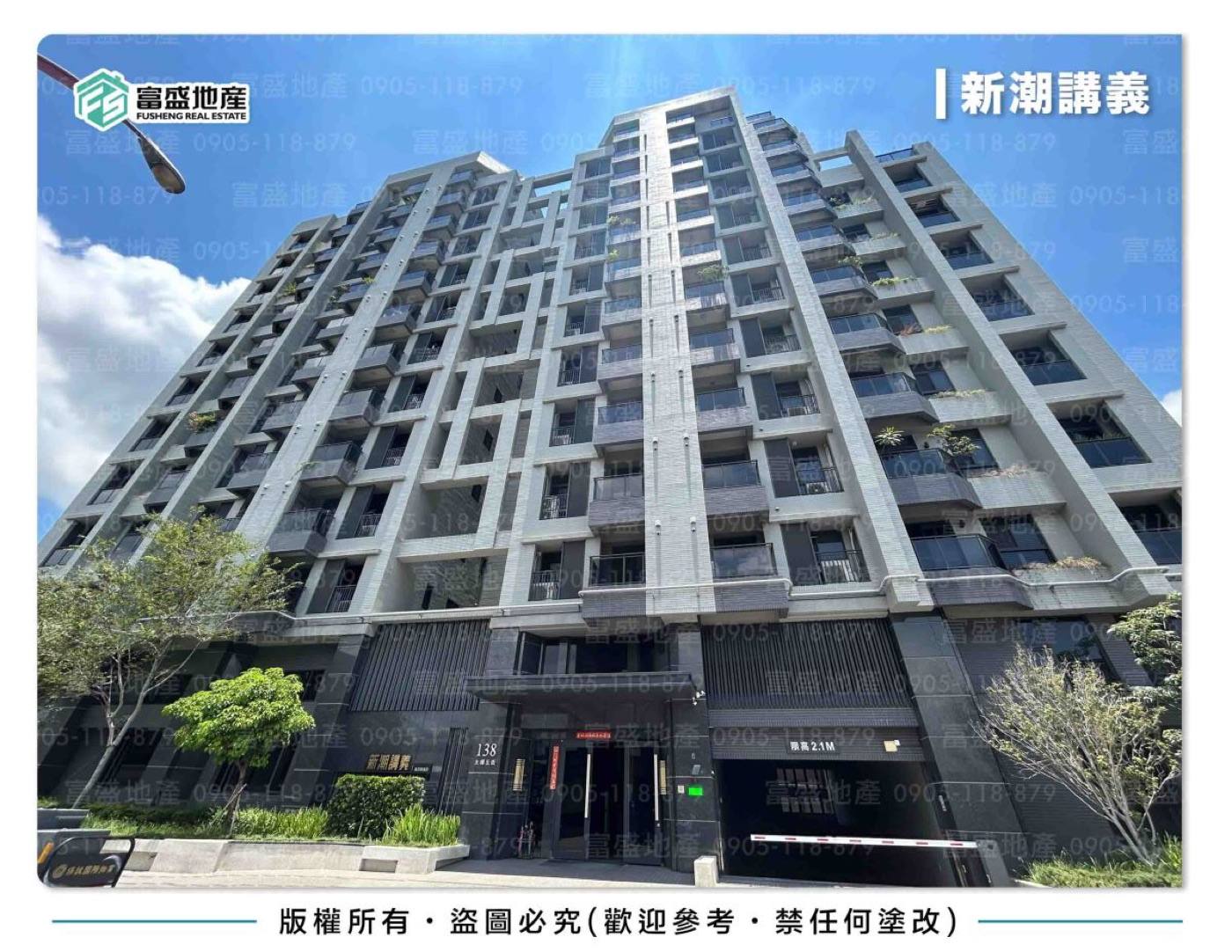
In resale communities in Taichung, leaks are the problem that makes buyers hesitate most. Deal with them in two phases. Before buying, use your eyes, a rainy day and instruments to find problems and write them into the contract. After buying, the Civil Code warranty against defects, the contract and the Condominium Administration Act decide who is responsible.
Three deadlines to remember:
| Item | Deadline | Basis |
|---|---|---|
| After notifying the seller of a defect | 6 months to rescind or claim a reduction | Civil Code Article 365 |
| From handover | 5 years at most | Civil Code Article 365 |
| Presale warranty | 15 years on structure, 1 year on fixed materials and equipment | Presale contract mandatory item 17 |
Based on Civil Code Articles 354 to 366 and the mandatory items of the presale sale contract (updated 2026-09-20).
Before buying: how to spot leaks
Check five places first: ceilings, the four corners of window frames, the wall outside the bathroom, the roof slab and the external walls. Then go back on a rainy day.
- Efflorescence and water stains: white powdery crystals, blistering or peeling paint, yellow-brown stains on ceilings.
- Uneven paintwork: if only one wall has been freshly painted, ask why. New paint hides marks but not moisture.
- Window corners and bathroom walls: window corners leak most often; the wall and skirting of the room next to the bathroom are the first to show failed bathroom waterproofing.
- Roof and external walls: look for cracked or ponding roof waterproofing and bulging external tiles.
- Rainy-day viewing: go again within 24 hours of rain, when fresh stains show most clearly.
- Instruments: a moisture meter reads wall moisture content; a thermal camera shows temperature differences inside walls and finds damp the eye cannot. This is a first screen, not a full report; for that use an inspection firm, see the home inspection checklist. Other items are in the viewing checklist.
After buying: what the law gives you
The basis is the Civil Code’s warranty against defects (物之瑕疵擔保責任). The seller warrants that the home has no defect reducing its value or utility at handover. The buyer may claim a price reduction, or rescind the contract in serious cases.
| Civil Code | Rule | What it means for buyers |
|---|---|---|
| Article 354 | Seller warrants no defect reducing value or utility when risk passes | A leak is a defect reducing ordinary utility |
| Article 355 | Seller not liable for defects the buyer knew of at signing, unless the seller deliberately failed to disclose | A leak already written on the condition form and signed is hard to claim later |
| Article 356 | Buyer must inspect promptly and notify on discovery; failure to notify counts as acceptance | Inspect soon after handover and notify in writing immediately |
| Article 359 | Buyer may rescind or claim a reduction; where rescission is clearly unfair, only a reduction | Most leak cases end in a reduction or repair; rescission is a high bar |
| Article 365 | Rights lapse if not exercised within 6 months of notice, or 5 years from delivery; the 6-month limit does not apply where the seller deliberately failed to disclose | Remember both the 6-month and 5-year limits |
| Article 366 | A special clause excluding the warranty is void if the seller deliberately failed to disclose | “Sold as is” does not cover deliberate concealment |
Articles checked against the national law database (updated 2026-09-20).
The contract: does “sold as is” mean no liability?
The building condition confirmation (建物現況確認書) attached to the sale contract has a leak field. The seller ticks whether there is a leak, where, and whether they will repair before handover or hand over as is (with a reduction or the buyer repairing). This is the key document in any later dispute; see the offer documents explained.
- “As is” is not a waiver. It usually covers only what the buyer knew and was written down at signing. A leak hidden inside a wall and found after handover may still be the seller’s responsibility, and a waiver is void where the seller deliberately failed to disclose (Articles 355 and 366). Courts decide case by case; this is the cautious reading.
- Write it down rather than tick “none”. For known leaks, agree “seller repairs and buyer confirms before handover” or a specific reduction.
- Agent liability: the disclosure statement also has a leak field. Under Article 26 of the Real Estate Broking Management Act, the brokerage is jointly liable for loss caused by brokerage staff’s intent or negligence.
- New builds and presale: under mandatory item 17 of the Ministry of the Interior’s presale contract, structure is warranted for 15 years from handover and fixed materials and equipment for 1 year. A Ministry interpretation states that structural leaks fall under the 15-year warranty and fixture-related leaks under the 1-year warranty; any extra waterproofing warranty the developer adds may not be shorter than these.
Our view: “No leaks” on the condition form is ticked by the seller. Verifying it with a rainy-day viewing and instruments before signing works better than arguing after handover.
Where is the leak, and who pays?
Responsibility follows the source. Your own private part, you repair. Common parts, the management committee repairs. The floor slab between two units and the pipes inside it are shared by the two units, unless one of them is at fault. The basis is Articles 10 and 12 of the Condominium Administration Act (公寓大廈管理條例).
| Situation | Usually belongs to | Who repairs and pays |
|---|---|---|
| Your own bathroom waterproofing failed, your own pipe burst | Private part | You repair and pay; if it leaks downstairs, you compensate |
| Upstairs bathroom leaks into your ceiling | Upstairs private part, or pipes inside the slab | Source in the upstairs unit: upstairs pays. Inside the slab: both units share, or the party at fault pays |
| External wall seepage, roof terrace leak, shared riser backing up | Common part | Committee repairs, paid from the reserve fund or by all owners; if one unit caused it, that unit pays |
| Resale home leaking from before handover | Sale defect | Claim a reduction or repair from the seller under the Civil Code; stop the leak first |
| New build leaking after handover | Developer warranty | Require repair under the warranty clause |
Based on Articles 10 and 12 of the Act; each case depends on a leak-source survey (updated 2026-09-20). If the upstairs owner will not cooperate, Article 6 of the same Act says an owner may not refuse entry when repair requires it. Ask the committee to mediate first; if that fails, the authority or a court can act.
Five steps when you find a leak
Photograph, notify in writing, find the source, negotiate, then mediate or sue.
- Photograph and film: stains, drips and the date; keep moisture readings; photograph again after each rain.
- Written notice: a registered letter or any channel that leaves a record, to the seller and the agent. This decides whether the Article 356 duty to notify has been met.
- Leak-detection contractor: locate the source and obtain a quote, the basis for any reduction or compensation.
- Negotiate: repair, reduction or cost-sharing according to the quote; if an agent handled the sale, ask the branch to help.
- Mediation or litigation: apply to the district mediation committee (free); for developers or agents you can also complain to the consumer ombudsman. If unresolved, go to court, within the 6-month and 5-year limits.
Set aside a repair reserve before buying; see down payment and buying and selling costs.
Our view: On handover day, photograph every room including ceilings and window corners. Whether there is a leak is one thing; proving it was there at handover is another.
FAQ
I found a leak after handover. Can I claim against the seller?
Yes. Under the warranty against defects you can claim a reduction or repair, or rescind in serious cases. Notify in writing immediately, and act within 6 months of notice and 5 years of handover. If the seller deliberately concealed it, the 6-month limit does not apply.
The contract says “sold as is”. Is the seller off the hook?
Not necessarily. “As is” usually covers only what was known and written down at signing. Hidden leaks found later may still be the seller’s responsibility, and a waiver is void for deliberate non-disclosure. Courts decide case by case.
Upstairs is leaking into my home. Who pays?
It depends on the source. In the upstairs private part, upstairs pays. In the slab or its pipes, both units share, or the party at fault pays. External walls and roofs are common parts, repaired by the committee from the reserve fund.
How long is the developer’s warranty on a new build?
The presale contract requires 15 years on structure and 1 year on fixed materials and equipment, from handover. Which applies depends on the cause; any extra waterproofing warranty may not be shorter.
Conclusion
Before buying, find leaks with rainy-day viewings and instruments and write them into the contract. After buying: photograph, notify, locate, negotiate, mediate, within the Civil Code deadlines. To arrange viewings in Taichung, contact us. See also the buying process.